Story Time: Why Kimchi Mama Believes Every Dish Should Carry Care and Memory
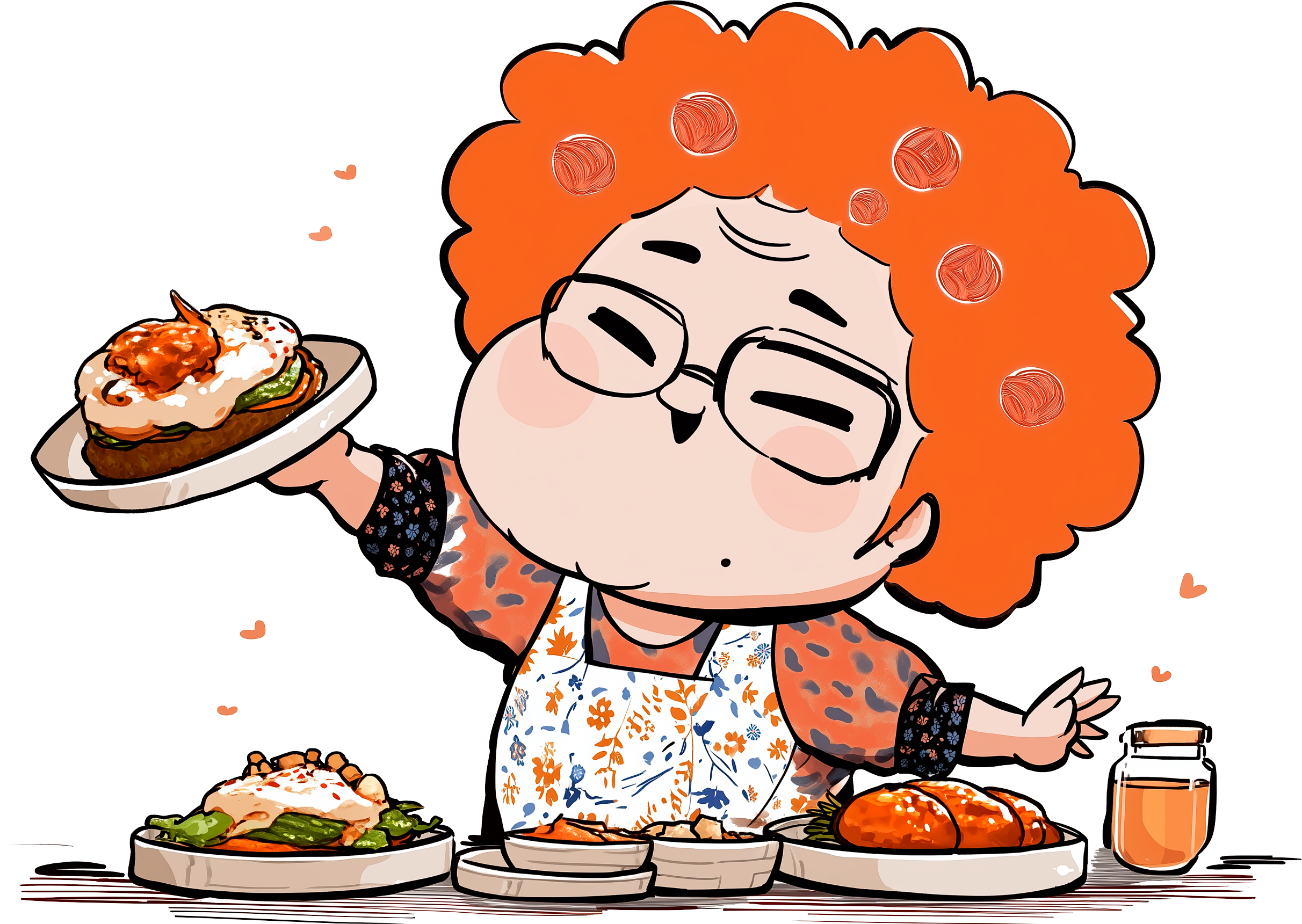
For Kimchi Mama, a dish is never just food.
It is a record.
Long before Singapore, before menus and locations and expectations, she learned that food remembers how it was treated. Rushed hands leave sharp edges. Distracted cooking creates restless meals. Care, when practiced consistently, settles quietly into flavour.
This belief did not come from theory. It came from years of watching people eat.
Kimchi Mama noticed how certain dishes made people slow down without instruction. How some meals encouraged conversation, while others ended it quickly. How food cooked with patience seemed to stay with people — not as a taste, but as a feeling.
“Food carries the cook’s memory, whether you want it to or not,” she says. “So I choose what mine remembers.”
In Jeju, memory was unavoidable. Ingredients were familiar. Seasons repeated. People returned again and again. If a dish changed too much, it was noticed. If care slipped, it was felt. Over time, Kimchi Mama understood that every meal added another layer to a shared history.
Cooking became cumulative.
This is why she believes care must be present from the very beginning of a dish, not added at the end. Care lives in preparation. In restraint. In choosing not to overcorrect. In trusting what has already been proven to work.
Memory, too, is built quietly. A dish becomes meaningful not because it is dramatic, but because it is dependable. People remember food that showed up for them more than once.
That philosophy now lives fully at Kimchi Mama, where dishes are not designed to impress on first contact, but to remain kind over time. The food is meant to be lived with — returned to — relied upon.
🌶️ When Food Becomes a Record
Kimchi Mama’s belief that food should carry care and memory is woven throughout Kimchi Mama’s story — a journey where repetition matters more than reinvention, and where meals are allowed to grow familiar without losing meaning.
Over the years, Kimchi Mama learned that memory is also protective. When a dish carries memory, it resists careless change. You do not adjust it lightly. You do not rush it for convenience. You respect the people who have eaten it before and those who will eat it again.
“If someone trusted my food once, I owe them consistency,” she says. “That is respect.”
This is why her menu feels settled rather than experimental. Guests looking through Kimchi Mama’s menu or reviewing dishes in the Kimchi Mama Menu PDF are not choosing from a collection of ideas. They are choosing from a collection of memories — dishes that have already proven they can care for people properly.
Memory also shapes inclusion. Kimchi Mama believes that when food carries care, it naturally widens the table. It becomes considerate of different bodies, different rhythms, different needs. That belief guides every part of her kitchen today, including her commitment to halal certification. A dish that excludes cannot carry complete care.
🌿 Food That Remembers Who It Is For
In Singapore, surrounded by speed and choice, Kimchi Mama’s food remains grounded because it remembers where it came from. Each dish carries the memory of Jeju kitchens, long winters, shared tables, and years of repetition without shortcuts.
When diners sit down at Kimchi Mama’s Singapore location, they are not just eating a meal. They are participating in a history that values steadiness over novelty and care over display.
As Kimchi Mama puts it herself:
“If food forgets who it’s for, it stops being food. It becomes noise.”
Her cooking never became noise.
It became memory — shared, carried forward, and offered gently, one dish at a time.