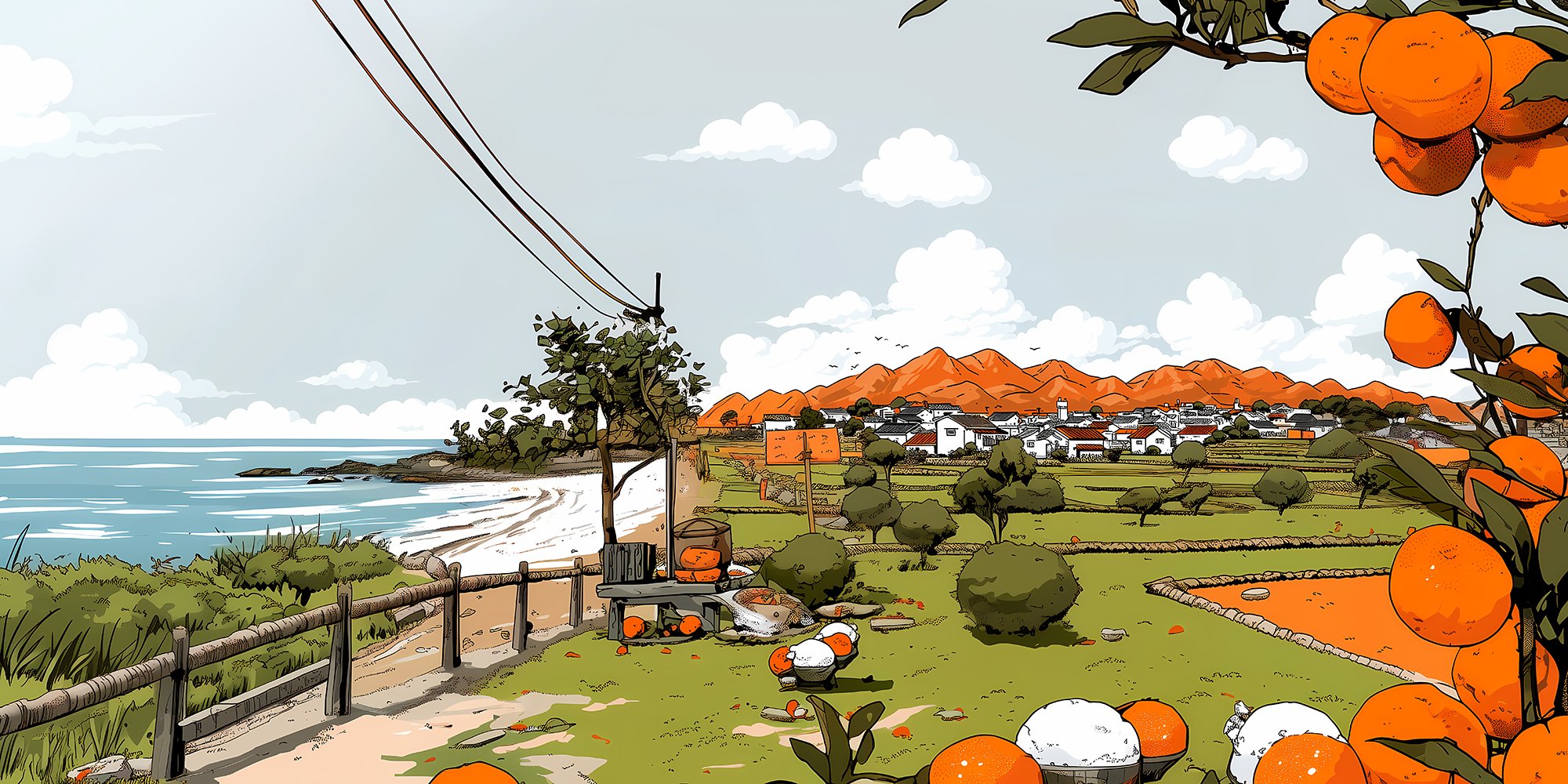
In Jeju, the early years are not loud years.
They are quiet years — the kind that shape habits before they shape dreams.
For Kimchi Mama, those early Jeju years were not about discovering what kind of cook she wanted to be. They were about learning how not to cook. How not to rush. How not to force flavour. How not to treat food as something that existed to impress.
Jeju has a way of correcting people gently but firmly. The weather changes without warning. Ingredients vary from day to day. Fermentation behaves differently with the seasons. Nothing bends simply because you want it to. So Kimchi Mama learned early that cooking was not about control — it was about listening.
“If you fight the ingredients, you always lose,” she says. “In Jeju, I learned to follow first.”
Those early kitchens were modest. Small counters. Well-used knives. Pots that remembered years of heat. She learned to prepare slowly, not because she had time, but because mistakes were costly. When food is meant to feed people you care about, waste feels personal. So she learned precision — not the showy kind, but the practical kind that comes from repetition.
This is where her philosophy took root: every step matters, even the ones no one sees.
Kimchi Mama paid attention to small things most cooks overlook. How salt behaved differently depending on humidity. How vegetables needed rest before fermentation. How broth tasted deeper when left alone instead of adjusted endlessly. These weren’t lessons taught in words. They were taught by failure, quietly corrected over time.
In those early Jeju years, she also learned restraint. She didn’t add ingredients just because they were available. She didn’t season heavily to mask imbalance. She learned to stop earlier than instinct suggested — a discipline that would later become her signature.
People often assume her food tastes good because it is generous. But the truth is more subtle. It tastes good because it knows when to stop.
That restraint is what still defines Kimchi Mama today. It is why her dishes feel clean even when they are rich, comforting without being heavy. Those qualities didn’t come from refinement later on. They were baked into her cooking from the beginning.
🌶️ Where Philosophy Is Born, Not Written
If you want to understand how Kimchi Mama’s way of cooking developed before there was ever a restaurant, her beginnings are reflected throughout Kimchi Mama’s story — a reminder that philosophy is often learned quietly, long before it is explained.
The early Jeju years also taught Kimchi Mama something about people. When you cook for the same faces every day, you start to notice patterns. Who eats quietly. Who needs warmth more than spice. Who comes not just for food, but for steadiness.
“Food listens even when people don’t talk,” Kimchi Mama reflects. “If you cook carefully, it answers them properly.”
This sensitivity is why her kimchi never feels aggressive. It doesn’t shout. It supports. It sits well in the body because it was designed to be lived with, not photographed. In Jeju, food wasn’t something you consumed once and moved on from. It was part of the daily rhythm, meant to sustain rather than overwhelm.
During these years, Kimchi Mama cooked through repetition that built muscle memory. Her hands learned the weight of vegetables before her eyes did. Her nose learned when fermentation was ready without needing timers. These instincts are invisible now, but they form the backbone of her consistency.
Consistency is the quiet promise her food keeps.
As her cooking matured, people trusted it instinctively. They returned not because the food surprised them, but because it never betrayed expectations. That reliability became her greatest strength — and remains one of the reasons her restaurant is known today as one of the most dependable places for Korean comfort food.
Guests exploring Kimchi Mama’s menu or browsing the dishes in the Kimchi Mama Menu PDF are tasting a philosophy formed in these early Jeju kitchens — food built on balance, patience, and respect for process.
These years also explain why Kimchi Mama’s kitchen remains inclusive and thoughtful today. Her belief that food should be accessible, comforting, and respectful to all naturally led to her commitment to halal certification. Care, to her, has always meant widening the table, never narrowing it.
🌿 A Way of Cooking That Never Left Jeju
Even as her world expanded, Kimchi Mama never outgrew these lessons. She carried them with her — not as nostalgia, but as discipline. The early Jeju years didn’t just shape her cooking. They shaped her standards.
When she eventually brought her food beyond Jeju, she didn’t reinvent herself. She simply continued doing what she had always done: cook carefully, listen closely, and serve generously.
If you’re ready to experience how those early years still live on today, Kimchi Mama welcomes you warmly at her Singapore location — where every dish still follows the same quiet rules learned long ago.
As Kimchi Mama herself puts it:
“I didn’t learn how to cook fast. I learned how to cook right. Everything else came later.”
And the story continues.