

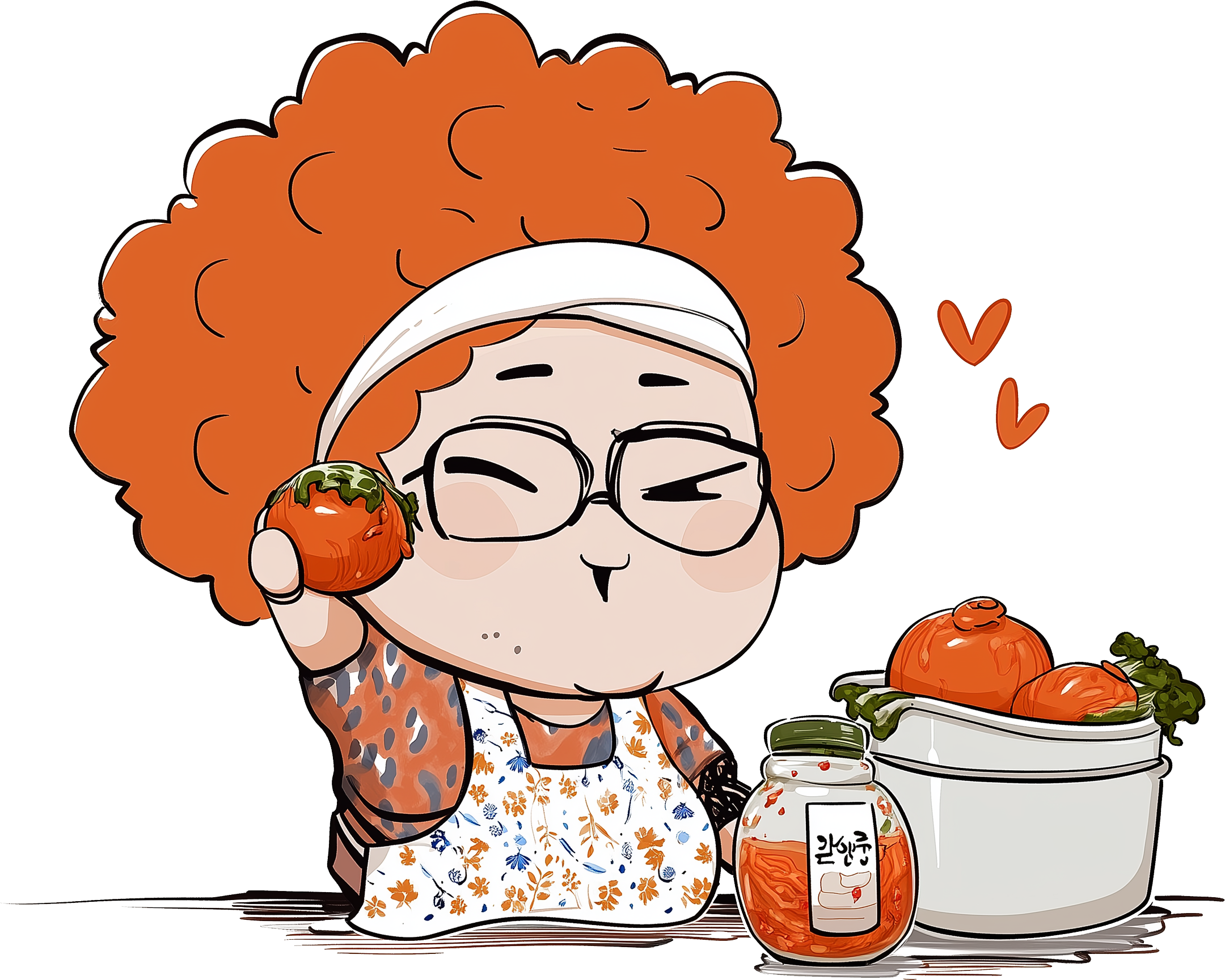
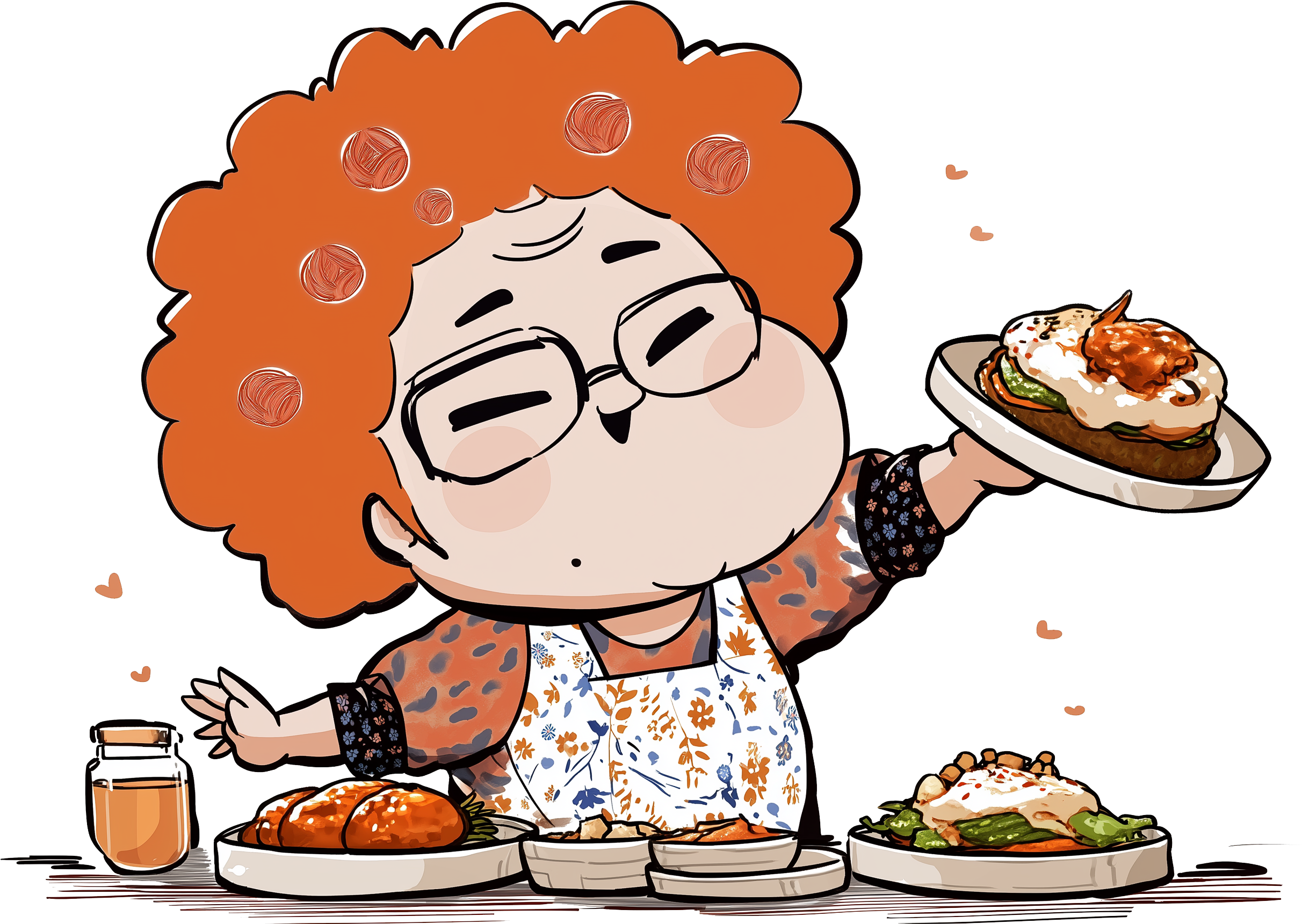
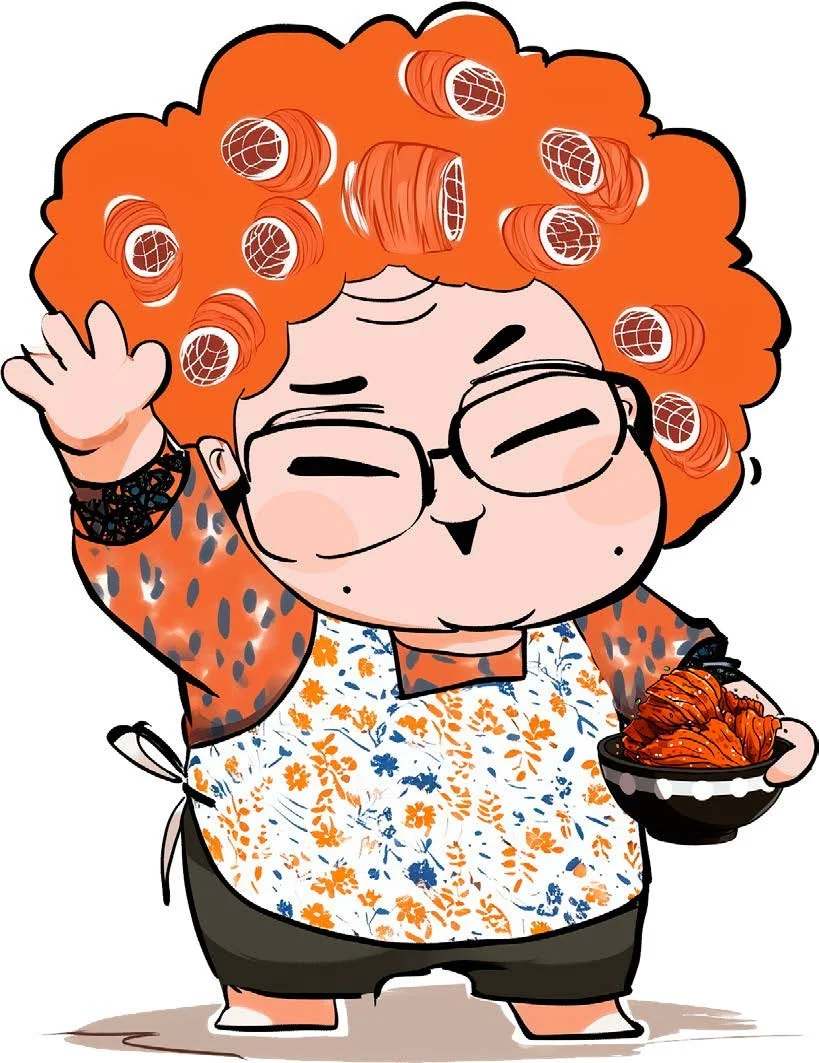
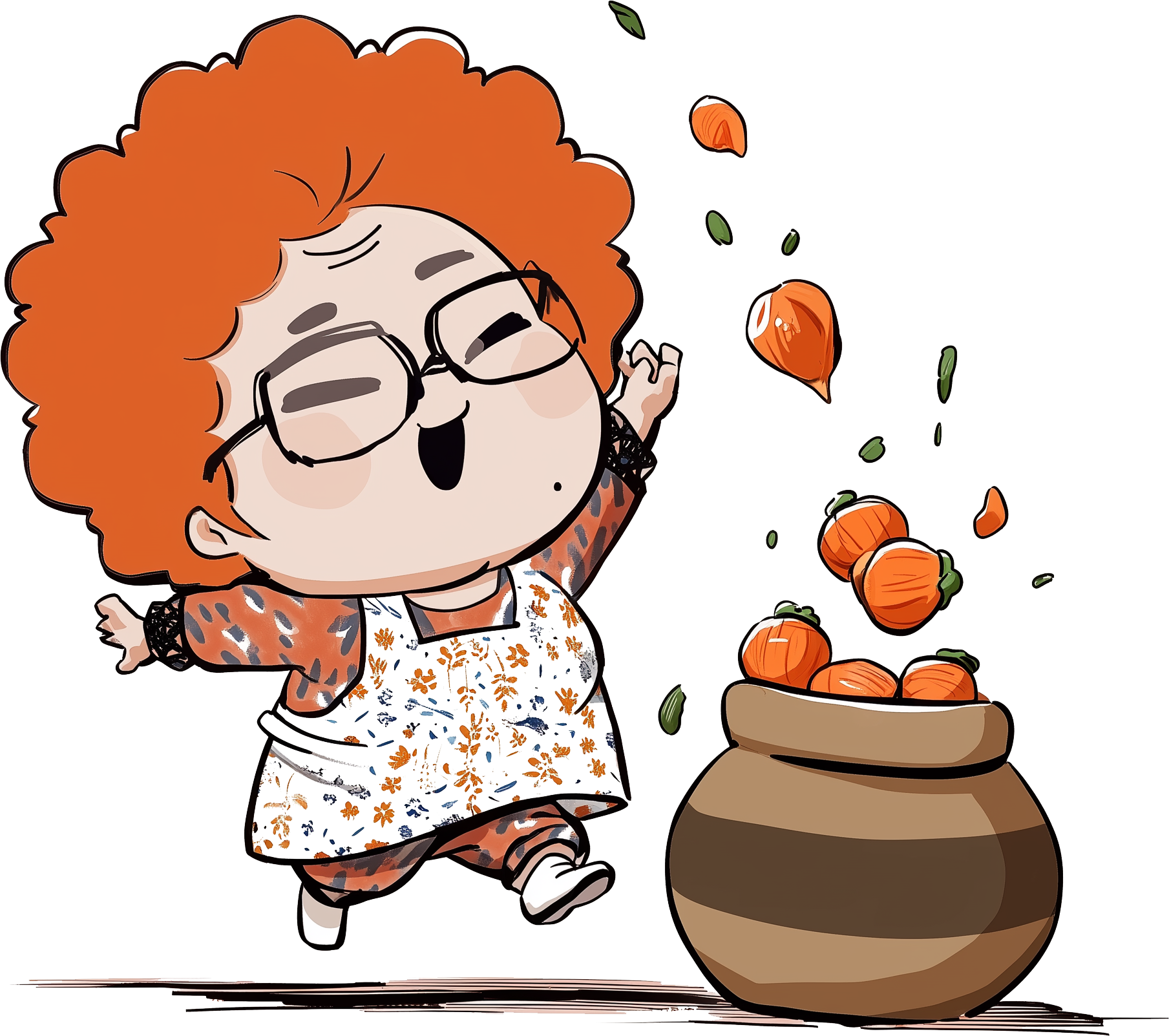
Care is not something you decide to add later.
It is something you learn early — or you never learn it properly at all.
In Jeju, Kimchi Mama learned care the slow way. Not from praise, not from compliments, but from consequences. In those early days, every small mistake showed up clearly. Too much salt lingered. Too little patience thinned the broth. A rushed hand bruised vegetables that never quite recovered.
There was no room for carelessness because there was no excess. Ingredients mattered. Time mattered. People mattered.
“When you don’t have much, you learn to handle everything gently,” Kimchi Mama says. “Care comes from respect, not luxury.”
Those early Jeju days taught her that cooking well was not about intensity. It was about attention. The kind of attention that notices when vegetables are tired from travel, when fermentation needs rest, when heat needs to be lowered instead of raised. Cooking with care meant understanding that force rarely improves food.
She learned to slow her hands before slowing her fire. To wash, cut, season, and stir with intention. Even the way she placed lids on pots mattered. Nothing was careless because nothing was replaceable.
Care also extended beyond the ingredients. Kimchi Mama cooked for people whose days were long, whose bodies were worn, whose meals needed to restore rather than excite. She paid attention to how food sat in the body, not just how it tasted in the mouth.
This is why her cooking never relied on shock or excess. She didn’t chase spice for the sake of heat. She didn’t pile flavours until they competed. Instead, she aimed for food that felt considerate — food that understood the person eating it.
That way of thinking began in those early Jeju kitchens and never left.
Today, when guests step into Kimchi Mama, they are experiencing food shaped by those early lessons. Dishes that feel thoughtful rather than aggressive. Comforting rather than overwhelming. Reliable rather than performative.
🌶️ Care as a Daily Practice
Kimchi Mama’s approach was never written down as rules. It was lived, day after day, through careful hands and quiet attention. Her journey — and the values formed during those early Jeju days — continue to be shared through Kimchi Mama’s story, where care is treated not as a concept, but as a habit.
Cooking with care also meant knowing when not to intervene. Kimchi Mama learned that some things needed space more than help. Fermentation didn’t want supervision. Broth didn’t want constant adjustment. Food improved when she trusted it.
“Care doesn’t mean hovering,” she explains. “It means knowing when to step back.”
That understanding shaped her kimchi most of all. Kimchi prepared with care doesn’t rush its transformation. It changes gradually, developing depth instead of sharpness. It becomes nourishing rather than tiring. This is why her kimchi has always been described as healing — not because of claims, but because of how people feel after eating it.
Those early Jeju days also taught her consistency. Care had to be repeatable. Anyone could cook gently once. Cooking gently every day required discipline. So she built systems, routines, and habits that protected quality even when she was tired.
That same discipline carries through today. Guests browsing Kimchi Mama’s menu or reading through the Kimchi Mama Menu PDF are seeing the result of years spent refining care into consistency.
Care also explains why Kimchi Mama has always insisted on being halal certified. In her mind, care means making sure no one is quietly excluded. Good food, prepared properly, should be safe and welcoming for everyone at the table.
🌿 Where Care Becomes Trust
Those early Jeju days didn’t just teach Kimchi Mama how to cook carefully. They taught her why care builds trust. People return to food that treats them well. They rely on kitchens that respect their bodies and their time.
When Kimchi Mama eventually brought her cooking beyond Jeju, she didn’t adjust her standards. She carried them forward — intact, uncompromised, and quietly confident.
If you’d like to experience how those early lessons now live on in Singapore, Kimchi Mama welcomes you warmly at her Singapore location — where care is still the first ingredient in every dish.
As Kimchi Mama herself puts it:
“Care is not extra effort. It’s how food remembers who made it.”
And the story continues, shaped gently by the hands that never forgot how to be careful.
