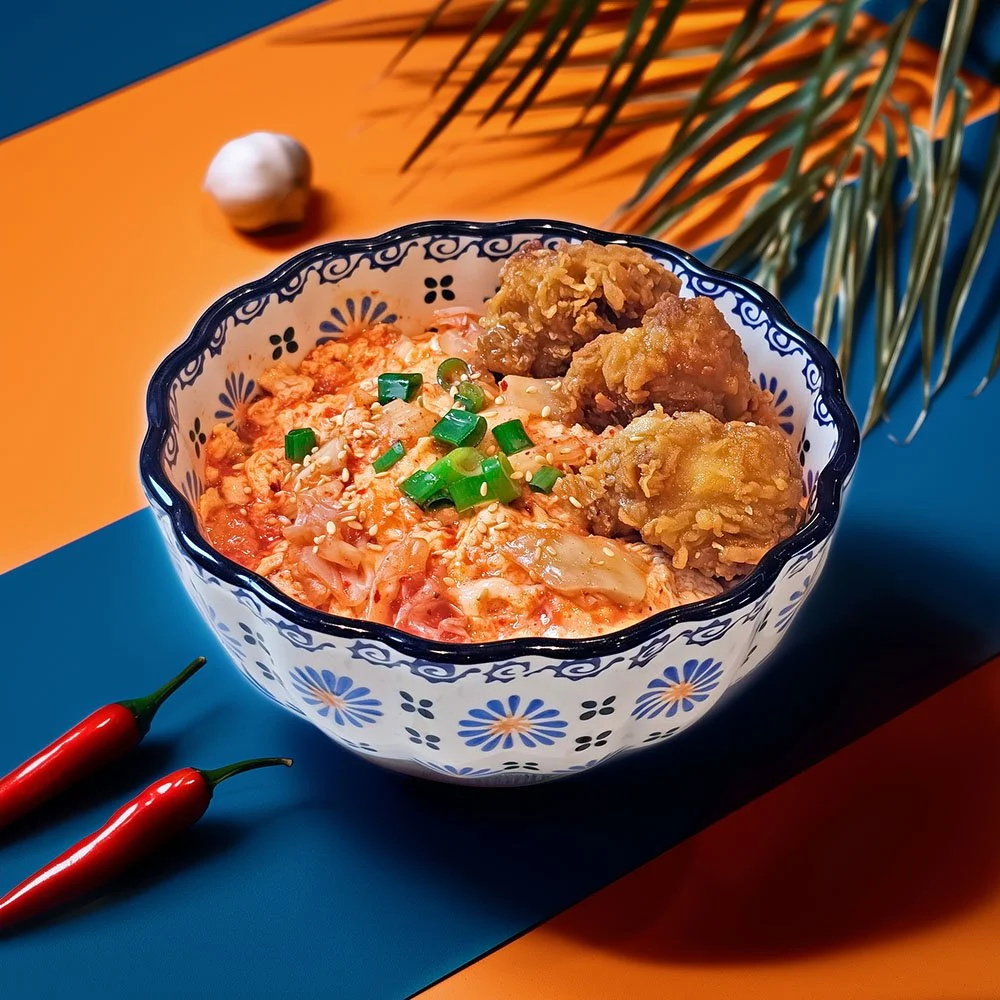
Winter in Jeju is not dramatic.
It is persistent.
The cold arrives quietly and stays longer than expected. Wind moves through kitchens. Fermentation slows. Hands stiffen. Nothing responds quickly, and nothing forgives impatience. For Kimchi Mama, these winters were not obstacles to cooking — they were teachers.
Winter demanded depth.
In warmer months, flavours could be lighter. Adjustments happened faster. But when the cold settled in, shallow food revealed itself immediately. Thin broths felt empty. Rushed kimchi tasted sharp and unfinished. Dishes that relied on immediacy failed to comfort anyone.
So Kimchi Mama learned to let food take its time.
“Winter doesn’t accept excuses,” she says. “If your food has no depth, the cold will show it.”
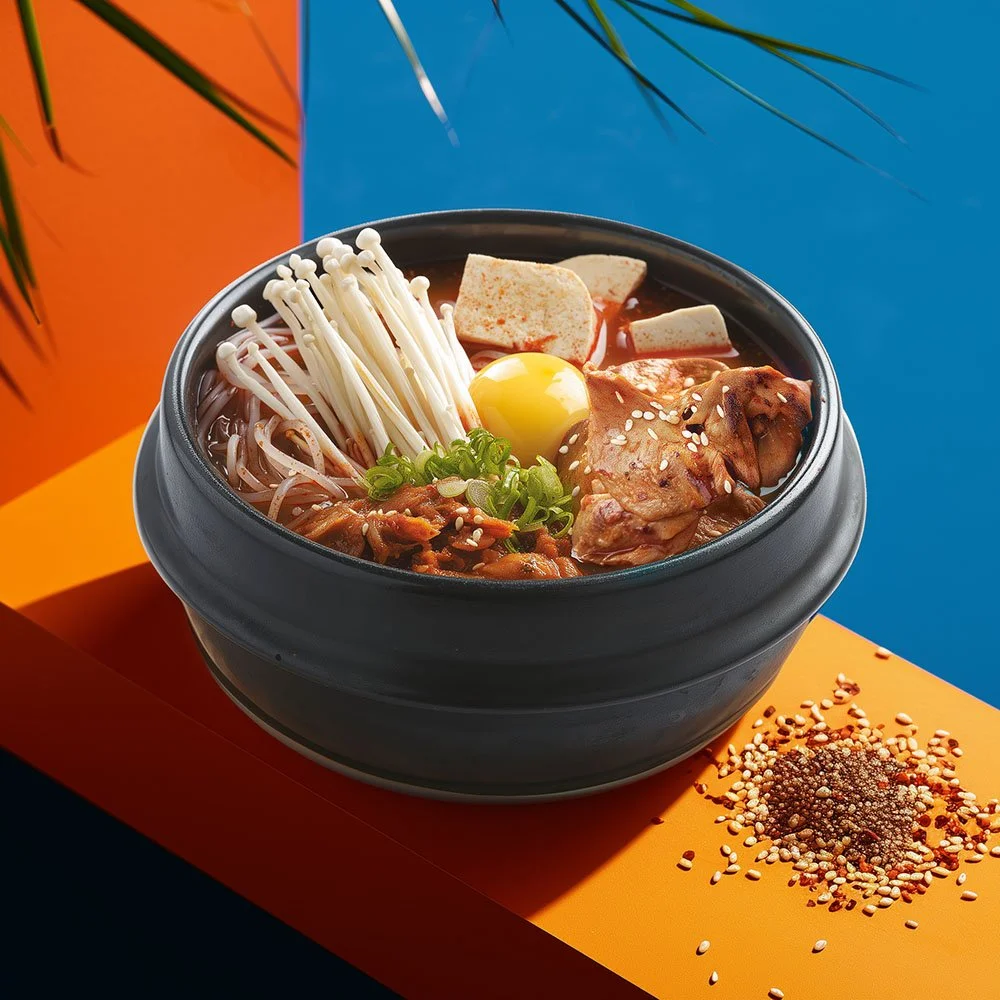
Fermentation slowed, forcing her to trust process instead of interference. Kimchi needed longer rest. Broths needed patience. Stews demanded gentler heat and longer simmering. Winter stripped cooking down to its essentials: balance, timing, and restraint.
These seasons taught her that depth is not created by adding more — it is created by allowing enough time.
In winter, Kimchi Mama stopped chasing flavour and began building it. Layer by layer. Quietly. She learned when to start earlier instead of adjusting later. When to prepare ahead rather than react. Food had to be ready before people realised how much they needed it.
That readiness became part of her discipline.
🌶️ When Cold Becomes a Teacher
Kimchi Mama’s approach to depth — letting flavour develop naturally instead of forcing it — runs throughout Kimchi Mama’s story, where seasons shape judgment as much as technique.
Winter also taught her reliability. In cold months, people return to the same food again and again. They do not want surprises. They want something that will hold them. Kimchi Mama understood that winter food must be consistent — not exciting one day and disappointing the next.
So she learned to cook with tomorrow in mind.
Her kimchi during winter became more rounded, less sharp. Her stews grew calmer, deeper, and more sustaining. The food did not announce itself. It settled. People left warmer than when they arrived, often without realising why.
“Good winter food doesn’t shout,” Kimchi Mama explains. “It stays with you.”
These lessons shaped her permanently. Even when seasons changed, the discipline remained. She never returned to shallow cooking. Depth became her baseline. Flavour was something earned slowly, not applied quickly.
That is why, today, the food at Kimchi Mama feels grounded regardless of season. The calm richness people taste in Singapore was first learned during long Jeju winters, when there was no room for shortcuts.
Guests exploring Kimchi Mama’s menu or reviewing the dishes through the Kimchi Mama Menu PDF are experiencing food shaped by cold seasons — food designed to endure, not spike.
Winter also reinforced her belief in inclusion. In harsh weather, food becomes communal by necessity. No one should be excluded from warmth. This understanding later guided her commitment to halal certification — care that works only for some is not care at all.
🌿 Depth That Remains When the Cold Is Gone
Jeju’s winters eventually passed, but their lessons never did. Kimchi Mama carried that depth with her — into every season, every kitchen, and eventually, across the sea.
When diners now sit down at Kimchi Mama’s Singapore location, they are tasting food shaped by cold mornings, slow fermentation, and long simmering pots. They are tasting patience learned when nothing moved quickly.
As Kimchi Mama puts it:
“Winter taught me that flavour must last longer than the moment.”
And that lesson — learned in the cold — is why her food still warms people today.